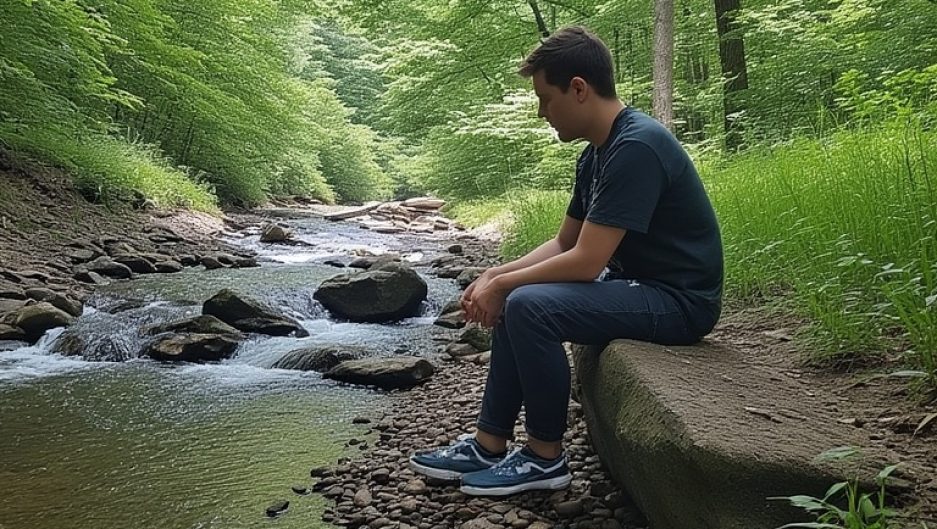
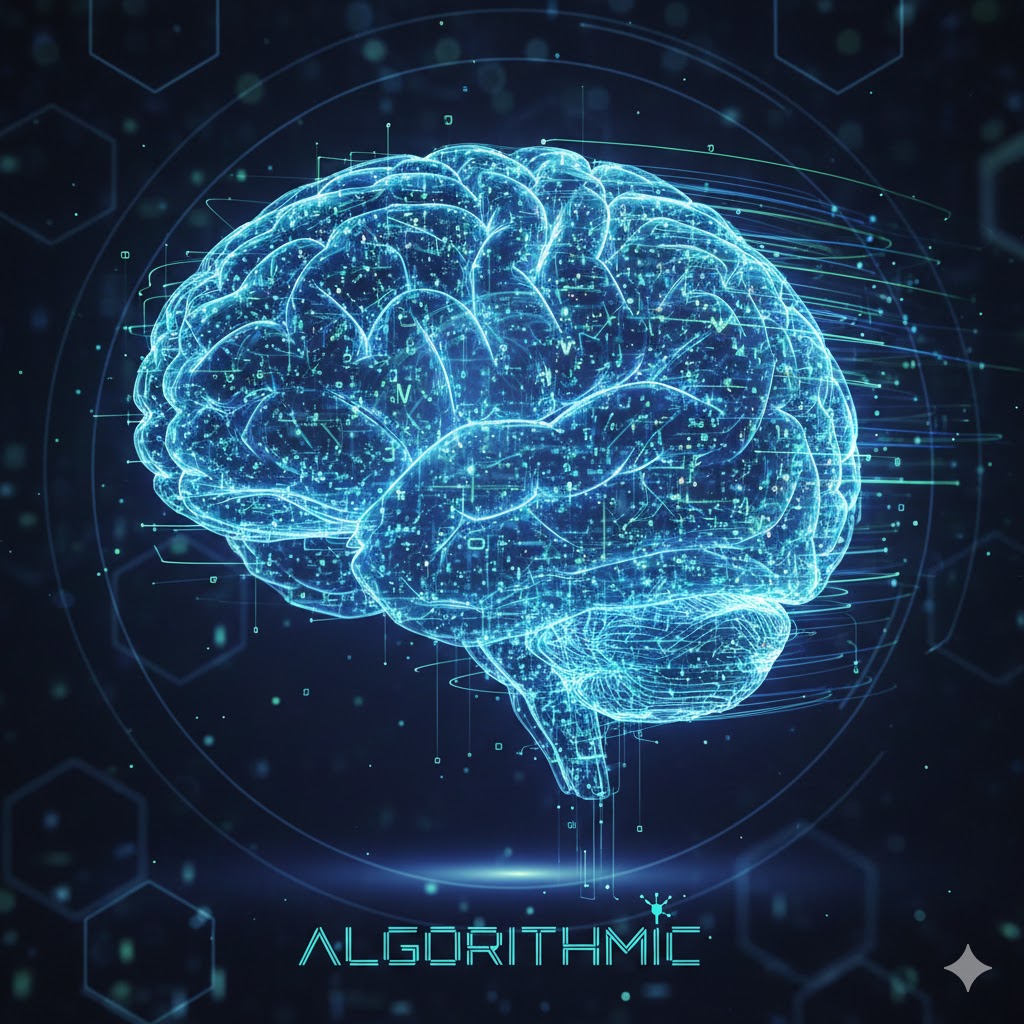
We often envy the fictional protagonist who can manipulate the clock—someone who freezes a chaotic moment to find clarity or rewinds a blunder to refine their response. While the laws of physics remain rigid, the human mind is naturally non-linear. We possess a cognitive “remote control” that allows us to navigate our experiences through three distinct internal modes: Reflection, Presence, and Projection.
1. The Internal Rewind: Conscious Reflection
When we revisit the past, we aren’t just reminiscing; we are performing a “mental autopsy” on our experiences. By re-examining a conversation or a failure from a fresh perspective, we essentially edit our internal software. We cannot change what happened, but we can change the meaning we derive from it, ensuring the next “take” of our lives is more informed than the last.
2. The Strategic Pause: Intentional Awareness
In a world addicted to speed, the ability to “pause” is a competitive advantage. This isn’t about stopping the world, but about widening the gap between a stimulus and your response. Whether through a deep breath, a walk, or a moment of silence, pausing allows the “noise” of life to settle. It transforms us from reactive participants into deliberate architects of our next move.
3. The Creative Fast-Forward: Morphological Analysis
The most sophisticated power we possess is the ability to leap into the future. We don’t do this through prophecy, but through structured speculation. One of the most effective frameworks for this is Morphological Analysis (MA).
Rather than waiting for a “lightbulb moment,” MA allows you to engineer one by deconstructing a problem into its fundamental building blocks.
- Deconstruct: Identify the core variables of your challenge (e.g., Target Audience, Delivery Method, Core Technology).
- Diversify: List every possible variation for each variable.
- Cross-Pollinate: Force yourself to combine these variations in ways that feel “wrong” or “unusual.”
By systematically mixing these attributes, you are essentially “fast-forwarding” through hundreds of potential futures in a matter of minutes. You identify the dead ends before you ever walk down them and spot the breakthroughs that others miss because they are thinking linearly.
Conclusion: Mastery Over Momentum
We are all time travelers in the theater of our minds. By treating memory as a classroom, the present as a sanctuary, and the future as a laboratory of combinations, we move beyond the limits of the clock. We don’t need supernatural powers to reshape our reality; we simply need to use the structured imagination we already possess.

 IT'S ME AGAIN
All very true, John. I am certainly good at travelling back into the past in my thoughts and dreams. Most of which are nostalgic.
Best wishes, Pete.
LikeLike
Fascinating info…..chuq
LikeLike